Easy Dutch Apple Pie: Top Tips for a Perfect Crumble
There's a special kind of magic that happens when crisp, tender apples meet a blanket of sweet, buttery crumble. It’s the kind of magic that fills your home with irresistible aromas, evokes feelings of warmth and comfort, and promises a dessert that’s both impressive and delightfully easy to make. We're talking about the beloved Dutch apple pie – a true classic that has captivated palates for centuries. Far from being a complicated bake, this pie is a testament to simple ingredients coming together to create extraordinary flavor and, most importantly, a truly perfect crumble.
What Makes Dutch Apple Pie So Special?
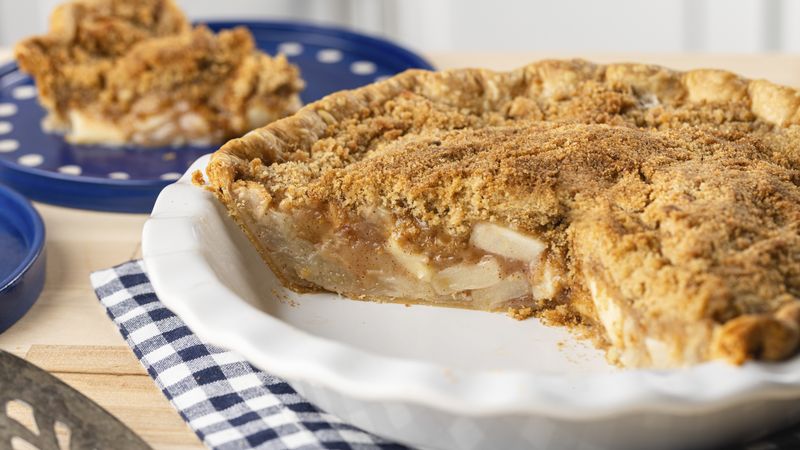
The beauty of the Dutch apple pie, often referred to as apple crumble pie or even apple crisp, lies in its unique construction. While traditional apple pie often features a double crust, the Dutch variety proudly showcases a thick, crunchy, and irresistibly sweet streusel topping. This glorious crumble is the star of the show, offering a textural contrast that elevates the entire experience. Imagine biting into tender, spice-infused apples followed by a satisfying crunch of golden, sugary goodness – it’s simply divine.
This culinary marvel has been gracing tables for almost 500 years, evolving from humble beginnings to a global sensation. Its enduring popularity stems from its ability to offer the best of both worlds: it's surprisingly simple to prepare, yet consistently delivers an impressive, mouthwatering dessert perfect for any occasion, from a festive Thanksgiving feast to a cozy weeknight treat. To understand its distinct charm even better, explore Dutch Apple Pie vs. Traditional: The Crumbly Secret.
Crafting the Perfect Crumble: Tips for Topping Perfection
The secret to an outstanding Dutch apple pie truly lies in its topping. This isn't just a sprinkle; it's a generous, substantial layer that adds immense flavor and texture. Achieving that ideal, golden-brown crumble—one that's perfectly sweet, slightly crumbly, and wonderfully buttery—is easier than you might think.
- The Right Ratio: A classic crumble generally follows a simple ratio of flour, sugar (granulated or brown), and butter. For every cup of flour, aim for about half a cup of sugar and half a cup of cold butter. Some variations include a touch of oats for extra chewiness or chopped nuts for added crunch and depth of flavor.
- Cold Butter is Key: Just like with pie crust, using very cold, cubed butter is crucial for a crumbly topping. It prevents the butter from melting too quickly and allows you to work it into the dry ingredients without overworking the dough.
- Method Matters: You can use your fingertips, a pastry blender, or even a food processor (pulsing carefully) to incorporate the butter into the flour and sugar mixture. The goal is to achieve a texture resembling coarse crumbs, with some pea-sized pieces of butter remaining. Avoid overmixing; you don't want a paste, but distinct crumbles.
- Flavor Enhancers: Don't forget the spices! A dash of cinnamon, nutmeg, or even a pinch of allspice can transform your crumble, harmonizing beautifully with the apple filling. A pinch of salt also helps balance the sweetness.
- Historical Nod: Interestingly, Dutch apple pie was originally topped with crumbled leftover sugar cookies. If you're feeling adventurous and want to recreate that old-world charm with a modern twist, consider baking some sugar cookies (even from refrigerated dough) and crumbling them over your pie before the final bake.
Choosing the Best Apples for Your Dutch Apple Pie
While the crumble might steal the spotlight, the apple filling is undoubtedly the heart of your pie. Selecting the right apples is paramount to ensuring a delicious, perfectly textured result – one that’s neither too mushy nor too firm. The best dutch apple pie features a balance of sweetness and tartness, with apples that hold their shape beautifully during baking.
Here’s a breakdown of excellent choices:
- Firmness is Essential: Always opt for firm apples that can withstand the heat of the oven without turning to mush. Varieties like McIntosh are typically too soft and should be avoided for baking pies.
- Sweet & Tart Harmony: A blend of sweet and tart apples often yields the most complex and satisfying flavor profile.
- Tart Choices: Granny Smith is a quintessential baking apple, offering a crisp texture and bright, tangy flavor that cuts through the pie's sweetness. Jonathan apples also provide a lovely tartness, especially when in season during fall.
- Sweet Choices: Honeycrisp apples are incredibly popular for their sweet flavor and satisfying crunch. Golden Delicious and Pink Lady also bake wonderfully, contributing a balanced sweetness.
- Year-Round Availability: Many excellent baking apples like Granny Smith, Golden Delicious, and Pink Lady are available year-round, making Dutch apple pie a delightful option any time of the year. However, if you can find them, Honeycrisp and Jonathan apples offer a seasonal advantage, especially during October and November when they're at their peak.
Don't be afraid to experiment with different combinations to find your personal favorite. The key is to select apples that are firm, flavorful, and appeal to your taste buds. For a deeper dive into apple varieties and their specific characteristics, be sure to read Best Apples for Dutch Apple Pie: Sweet, Tart, or Both?
Smart Baking Tips for an Easy & Perfect Pie
Creating an easy dutch apple pie means streamlining the process without sacrificing flavor or quality. Here are some actionable tips to ensure your baking experience is as smooth as your pie is delicious:
- Start with a Pre-Made Crust: For ultimate convenience, don't hesitate to use a store-bought refrigerated pie crust. It saves significant time and effort, allowing you to bypass the rolling pin and get straight to the fun part: assembling and baking.
- Prevent a Watery Filling: Apples release a lot of moisture during baking. To prevent a soggy pie, toss your sliced apples with a thickener like cornstarch or flour before mixing with sugar and spices. A squeeze of lemon juice not only brightens the apple flavor but can also help prevent oxidation.
- Generous Spicing: Don't skimp on the warming spices for your apple filling. Cinnamon is a must, but consider adding nutmeg, allspice, or a touch of ground cloves for a richer, more complex aroma and taste that truly embodies autumn.
- Even Slicing: Slice your apples to a consistent thickness (about ¼ to ½ inch) to ensure they cook evenly. This prevents some apples from being mushy while others are still firm.
- Protect Your Crumble: If you notice your crumble topping browning too quickly during baking, loosely tent the pie with aluminum foil or parchment paper. This will protect the delicate topping while allowing the apples underneath to finish cooking thoroughly.
- Cooling is Crucial: Patience is a virtue, especially with pie. Allow your Dutch apple pie to cool completely for at least 2-3 hours after baking. This allows the filling to set properly, preventing it from being too runny when sliced.
- Serving Suggestions: A slice of warm Dutch apple pie is incredible on its own, but it's truly elevated with a scoop of vanilla bean ice cream (à la mode) or a dollop of freshly whipped cream.
The allure of an easy Dutch apple pie lies in its perfect marriage of tender, spiced apples and that irresistible, buttery crumble. It’s a dessert that speaks of comfort, tradition, and homemade goodness, yet remains wonderfully approachable for even novice bakers. By following these top tips, from selecting the right apples to perfecting your crumble, you’ll be well on your way to creating a show-stopping pie that will earn rave reviews. So, gather your ingredients, embrace the autumn spirit (or any season!), and get ready to bake a masterpiece that truly delivers on its promise of a perfect crumble every time.
