Dutch Apple Pie vs. Traditional: The Crumbly Secret That Redefines Dessert
As autumn leaves begin to fall and the air turns crisp, the comforting aroma of baking apples inevitably fills our homes. For many, this conjures images of the quintessential American dessert: apple pie. But while the traditional double-crust apple pie holds a special place in our hearts, there's another beloved version that offers a uniquely delightful experience, often stealing the spotlight with its irresistible texture and rustic charm: the Dutch Apple Pie. Also affectionately known as apple crumble pie or apple crisp, this European-inspired confection boasts a secret weapon that sets it apart and has captivated palates for nearly 500 years: its distinct, sugary, and utterly crumbly topping.
Whether you're planning a grand Thanksgiving feast, a cozy family dinner, or simply craving a taste of fall, understanding the nuances between a traditional apple pie and its Dutch counterpart can guide you to your perfect autumnal dessert. While both celebrate the vibrant flavor of fresh apples and warming spices, the Dutch version simplifies preparation while delivering an impressive presentation and an explosion of texture that is truly one-of-a-kind. Get ready to discover the crumbly secret that makes Dutch Apple Pie a global sensation.
The Defining Difference: Crumbly Topping vs. Double Crust
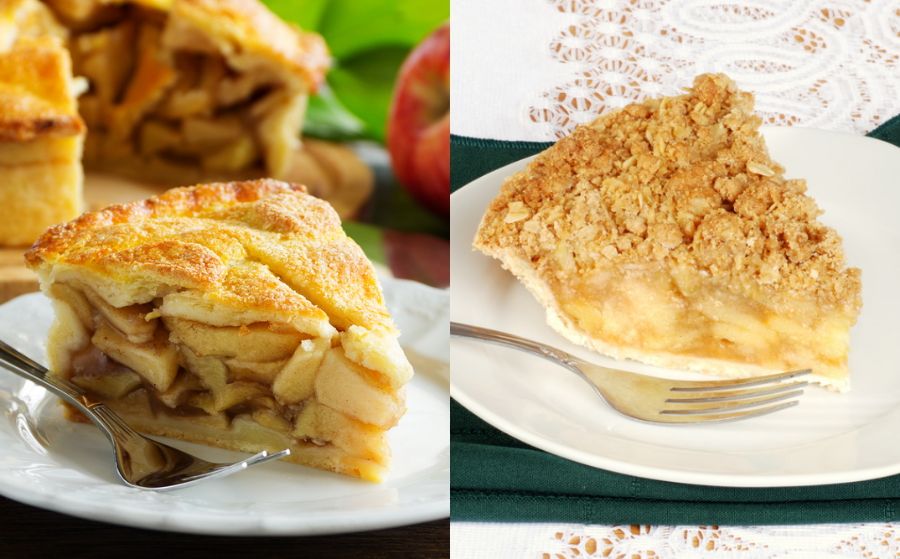
At the heart of the debate between Dutch Apple Pie and traditional apple pie lies their most striking visual and textural distinction: the topping. Traditional apple pie typically features a full top crust, whether it's a solid sheet, an elegant lattice, or intricate cut-outs. This crust, often made from the same buttery, flaky dough as the bottom, creates a sealed environment for the apples to steam and tenderize, resulting in a cohesive, sliceable dessert with a satisfying pastry crunch.
In stark contrast, the Dutch Apple Pie proudly displays its signature streusel-like crumble topping. This topping is a glorious mixture of flour, sugar (often brown sugar for depth of flavor), butter, and sometimes oats or spices, worked together until it forms coarse crumbs. During baking, these crumbs transform into a golden, crunchy, and richly caramelized blanket over the tender apple filling. It's this delightful interplay of textures—the soft, spiced apples beneath a sweet, textural crown—that defines the Dutch experience. Some variations of Dutch Apple Pie might even feature a few thin strips of pie crust woven into the crumble, adding a touch of elegance reminiscent of a strudel, but for many purists, the crumbles are the undeniable star.
The origins of the crumb topping are fascinating, with tales suggesting it was initially made from leftover sugar cookies, showcasing a resourceful and delicious approach to baking. This tradition speaks to the inherent simplicity and homey charm of the Dutch Apple Pie, making it not only a treat for the taste buds but also a testament to ingenuity in the kitchen. For more detailed insights into perfecting this irresistible element, don't miss our guide: Easy Dutch Apple Pie: Top Tips for a Perfect Crumble.
A Symphony of Apples: Choosing Your Stars for the Filling
Regardless of the topping, the soul of any great apple pie—be it Dutch or traditional—is, of course, the apples. The choice of apple varieties is paramount, influencing both the flavor profile and the texture of your finished pie. The ideal baking apple maintains its structure during cooking, preventing a mushy filling, while offering a balanced sweet and tart flavor that brightens the overall dessert.
For a truly exceptional Dutch Apple Pie, a blend of apple varieties often yields the best results. Combining a crisp, tart apple with a sweeter, softer one can create a complex and nuanced flavor. Here are some top contenders:
- Honeycrisp: A firm, sweet, and incredibly juicy apple that holds its shape beautifully and provides a delightful sweetness. It's particularly fantastic when in season during October and November.
- Jonathan: Offering a lovely tartness, Jonathan apples are excellent for balancing out sweeter varieties and add a classic "apple pie" flavor. Also in season during autumn.
- Granny Smith: The quintessential tart baking apple, Granny Smiths provide a firm texture and a sharp flavor that cuts through the sweetness of the crumble topping and sugar in the filling.
- Golden Delicious: A reliable choice, these apples offer a mild sweetness and soften nicely without becoming too mushy.
- Pink Lady: With a sweet-tart flavor and a crisp texture, Pink Lady apples are a versatile option that works well in most baked goods.
It's crucial to avoid apples that are too soft or mealy, such as McIntosh, as they tend to break down excessively during baking, resulting in a watery, mushy filling. Always aim for apples that are firm to the bite. Many excellent apple varieties are available year-round, making Dutch Apple Pie a delightful possibility any time you crave it. For an in-depth exploration of which apples best suit your taste, dive into our article: Best Apples for Dutch Apple Pie: Sweet, Tart, or Both?
Beyond the Basics: Elevating Your Dutch Apple Pie Experience
While the essence of Dutch Apple Pie is its inviting simplicity, there are several ways to enhance your baking experience and the final product. One of the greatest advantages of the Dutch method is its inherent time-saving nature. Opting for a pre-made pie crust for the base, for instance, eliminates the need for rolling out dough, allowing you to bypass a significant step and get straight to the enjoyable parts of assembly.
When preparing the apple filling, don't shy away from a generous hand with warming spices. Cinnamon is a must, but nutmeg, a touch of allspice, or even a pinch of ground cloves can elevate the aromatic complexity. A little lemon juice tossed with the apples can also prevent browning and brighten their flavor. For an extra layer of richness, some bakers like to drizzle a bit of melted butter or a spoonful of caramel sauce over the apple filling before adding the crumble.
To ensure your crumb topping bakes evenly to a perfect golden-brown without burning, especially towards the end of the baking cycle, consider loosely tenting the pie with aluminum foil or parchment paper. This allows the apples underneath to tenderize fully while the crumble achieves its ideal crunch and color. The beauty of Dutch Apple Pie lies in its versatility—it’s equally at home as the grand finale of a holiday meal or as a comforting weeknight treat. Served warm, perhaps with a scoop of vanilla bean ice cream or a dollop of freshly whipped cream, it’s an irresistible indulgence. The rich, sugary topping sparkles beautifully, and every forkful delivers the comforting flavors that make the autumn season so special.
The Global Appeal and Enduring Legacy of Dutch Apple Pie
It's no exaggeration to say that Dutch Apple Pie, or its many aliases like Apple Crumble or Apple Crisp, is a culinary sensation. Its simple yet profound combination of flavors and textures has ensured its place in kitchens around the world for nearly half a millennium. This enduring popularity speaks volumes about its inherent appeal: it offers the best of both worlds – elegant enough to impress guests, yet straightforward enough for a casual bake.
The name itself, "Dutch Apple Pie," points to its European roots, distinguishing it from the American classic. While regional variations exist, the core concept of sweet, spiced apples crowned with a buttery, sugary crumb remains universally adored. It's a testament to how humble ingredients can come together to create something truly extraordinary and timeless.
In conclusion, while the traditional apple pie certainly holds its ground as an American icon, the Dutch Apple Pie offers a compelling alternative for those seeking a different kind of apple dessert experience. Its unique crumbly topping provides a textural delight and simplifies the baking process, making it a fantastic choice for both novice and experienced bakers alike. So, the next time you're gathering fresh apples and contemplating your next baking adventure, consider embracing the crumbly secret of the Dutch version. You might just find that this sweet, spiced, and delightfully textured pie becomes your new favorite way to celebrate the season.
